When I first planned my trip to Kuala Lumpur, my impression of the city was rather vague.
In my mind, I imagined it simply as a modern commercial hub—filled with skyscrapers, shopping malls, and bustling streets.
But upon actually arriving, I discovered that Kuala Lumpur was far richer and more diverse than I had imagined.
It possesses the rhythm of a modern metropolis alongside the authentic, lived-in atmosphere of older neighborhoods;
It blends Malay traditions with the profound cultural influences of the Chinese and Indian communities;
And it offers a mix of world-class architecture and humble street-food stalls tucked away in narrow alleys.
During my few days in Kuala Lumpur, I gradually realized that the city’s greatest charm isn’t any single attraction, but rather the natural way diverse cultures blend together here.
I loved walking the city streets in the morning, watching locals start their day;
I enjoyed seeking out unique cafés in the afternoon to soak up the city’s laid-back vibe;
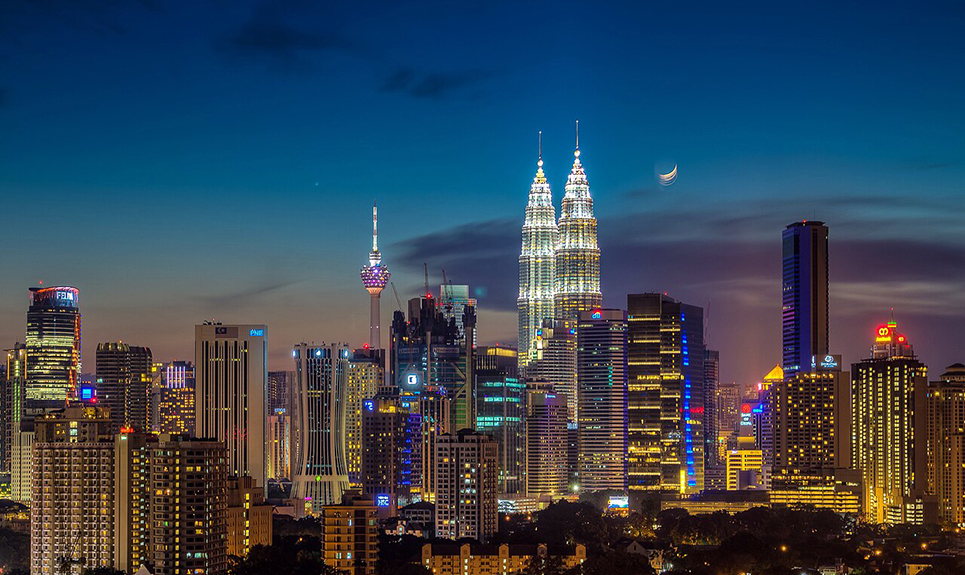
And I loved standing near the skyscrapers at night, watching the city lights gradually come to life.
This trip gave me a fresh perspective on Malaysia’s capital and allowed me to experience the unique energy of a Southeast Asian city.
First impressions of Kuala Lumpur: Sensing the atmosphere of a multicultural city
Upon arriving in Kuala Lumpur, the first thing that struck me was how international the city felt.
Transportation between the airport and the city center is convenient, and the urban planning is well-developed.
On the way from the airport to the city center, I watched the scenery shift outside my window.
At first, there were wide roads and greenery, but as we entered the city, skyscrapers began to dominate the view.
Occasionally, I could spot iconic landmarks in the distance, which made me eager to start exploring.
After checking into my hotel, I didn’t rush to pack my itinerary with sightseeing spots.
Instead, I preferred to take a walk nearby and get a feel for the city’s environment.
As I strolled through the streets, I noticed that while Kuala Lumpur shares similarities with many other Asian cities, it also has a distinct character of its own.
Along the streets, you can see Malay restaurants, Chinese teahouses, Indian shops, and modern cafés.
These different cultures don’t exist in isolation; they coexist naturally on the very same street.
I found this dynamic fascinating.
Petronas Twin Towers: The awe-inspiring sight of Kuala Lumpur’s skyline
When visiting Kuala Lumpur, the Petronas Twin Towers are a must-see destination for almost every traveler. I had seen this building in photos many times.
But standing right in front of it felt completely different.
The Petronas Twin Towers are spectacular by day.
The metallic sheen of the building’s façade stands out brilliantly in the sunlight, and the surrounding modern cityscape gave me a real sense of Kuala Lumpur’s rapid development.
I enjoyed taking a leisurely stroll nearby rather than just snapping a quick photo and leaving.
At night, the towers light up, making the entire area even more beautiful.
Many tourists sit in the nearby park to rest and wait for the perfect moment to take photos.
I joined them.
Sitting there, watching the city lights shift and listening to the chatter of tourists around me, I truly felt the joy of travel in that moment.
The Twin Towers are more than just a building; they became a key gateway for me to understand Kuala Lumpur.
Merdeka Square: Discovering Kuala Lumpur’s Past Through History
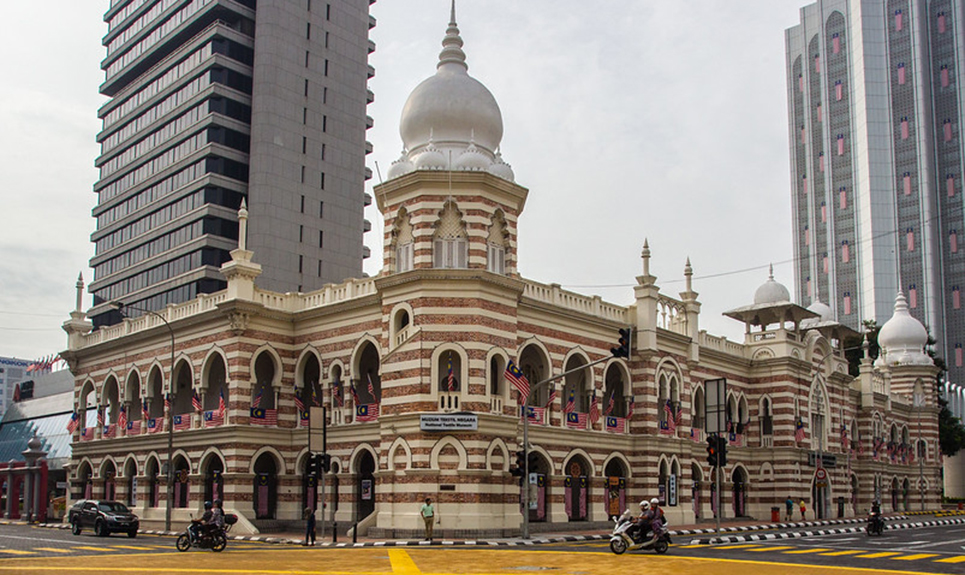
If the Twin Towers represent modern Kuala Lumpur, then Merdeka Square represents the city’s history.
I noticed a distinct shift in the atmosphere as soon as I arrived here.
There are fewer high-rises; instead, the area is defined by colonial-era architecture and a historic ambiance.
Standing in the square, I took in the details of the surrounding buildings.
The mix of architectural styles lined up side-by-side gave me a sense of Kuala Lumpur’s complex history of development.
When traveling, I always love seeking out traces of a city’s past.
After all, a city’s true charm lies not just in new architecture, but also in the stories left behind by the past.
Strolling around Merdeka Square, I felt like I was gradually getting to know Kuala Lumpur.
Petaling Street: Experiencing Authentic City Life
I prefer the atmosphere of Kuala Lumpur’s local neighborhoods over some of its more famous tourist attractions.
Petaling Street left a deep impression on me.
The area is bustling with energy.
Small shops, restaurants, and stalls line both sides of the street.
The air is filled with a blend of food aromas, the sounds of the crowd, and the general buzz of the city.
I enjoyed wandering through at a leisurely pace.
Sometimes, the most interesting part of a trip isn’t what you buy, but simply observing the lives of the locals.
Here, I saw the influence of Chinese culture on Kuala Lumpur.
The coexistence of traditional shops and modern businesses gives the area a unique charm.
I also tried some local snacks here.
While the setting wasn’t fancy, the food and the atmosphere felt incredibly authentic.
Batu Caves: An Unforgettable Cultural Experience
Batu Caves, located near Kuala Lumpur, was a place I was really looking forward to visiting.
The first thing that caught my eye was the massive golden statue.
To enter the caves, you have to climb a long flight of stairs.
Although the weather was hot, the scenery along the way made the effort worthwhile.
It is not just a tourist attraction but also an important religious site for Hinduism.
During my visit, I could feel the rich cultural atmosphere of the place.
The mix of tourists, devotees, and locals creates a unique scene.
I really enjoyed this kind of travel experience.
It allowed me not only to see beautiful sights but also to experience a different culture.
Kuala Lumpur’s Culinary Scene: The Taste of the City
One of the biggest surprises about visiting Kuala Lumpur was the food.
The city boasts a rich culinary culture.
Thanks to its multicultural makeup, you can find a variety of flavors here—Malay, Chinese, Indian, and more.
During my trip, I tried many local dishes.
For instance, Nasi Lemak (coconut milk rice).
The aroma of the rice was unique and delightful the first time I tasted it.
Served with spicy sambal, eggs, peanuts, and other side dishes, the flavor profile was wonderfully complex.
I also tried satay.
The combination of the smoky charcoal aroma and the peanut sauce left a lasting impression on me.
I also really enjoyed the street food and local coffee shops.
Sometimes, simply sitting in a humble shop with a drink, watching the locals go about their lives, was one of the most relaxing moments of the trip.
Shopping in Kuala Lumpur: The Modern Side of the City
Beyond culture and cuisine, Kuala Lumpur is a paradise for shoppers.
The city is home to many large shopping malls.
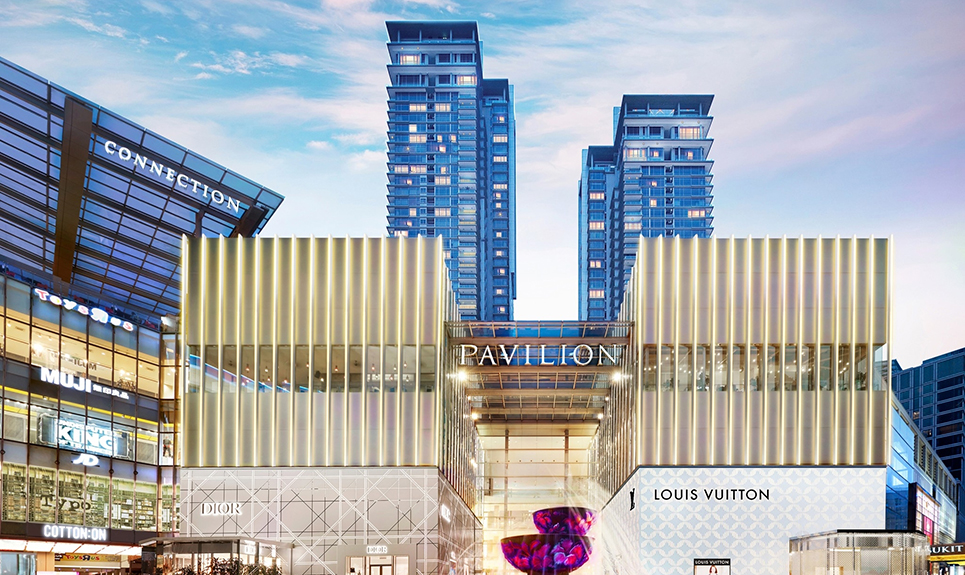
I explored several malls and found everything from international brands to unique local products.
Compared to some other major Asian cities, the shopping environment here feels more relaxed.
It never feels overly crowded.
I particularly enjoyed seeking out local designer brands and unique goods.
These items hold more significance as travel mementos than ordinary souvenirs.
Back home, seeing them reminds me of the time I spent in Kuala Lumpur.
Kuala Lumpur at Night: The City’s Charm Under the Lights
I find Kuala Lumpur most enchanting at night.
While the city is full of energy during the day, it takes on a more romantic atmosphere after dark.
After dinner, I love strolling through the city streets. The lights of skyscrapers, street-side restaurants, and pedestrians on the road reveal a different side of the city.
One evening, standing near my hotel, I watched the lights of distant buildings flicker to life.
In that moment, I suddenly felt a sense of belonging to the city.
The best moments of a trip often aren’t found at famous tourist attractions, but in those quiet times spent simply observing the city.
An Asian city worth exploring at a leisurely pace
As I left Kuala Lumpur, I realized I saw the city in a completely different light.
It boasts not only modern landmarks like the Petronas Twin Towers but also old streets, temples, markets, and rich traditional culture.
It is modern, yet it retains its own unique character.
This trip left me with many memorable moments:
The night lights beneath the Twin Towers;
The historic atmosphere of Merdeka Square;
The crowds and delicious food of Petaling Street;
The cultural experience at the Batu Caves;
A leisurely afternoon at a street-side café.
Kuala Lumpur isn’t a city to be rushed through just to check off a list of sights.
It is a place best experienced by strolling, observing, and soaking up the atmosphere at a relaxed pace.
If I have the chance to visit Malaysia again in the future, I would gladly return to Kuala Lumpur.
After all, it is more than just a tourist destination; it is an Asian metropolis brimming with stories and the authentic pulse of daily life.